


Commercial parking areas need more than just a place to park vehicles. They should provide…
- 6 minute read
- General
When planning a new roof or covered outdoor space, property owners have several options. Conventional roofing systems remain widely used, but tensile structures have become an increasingly attractive option for applications that require lightweight construction, architectural flexibility and modern design.
So, when comparing tensile vs conventional roofing, which option should you choose?
The answer depends on your project’s purpose, design requirements, budget, environmental conditions and expected performance.
Let’s explore the key differences.
What Is Tensile Roofing?
Tensile roofing uses an engineered structural framework combined with a tensioned membrane to create a covered space.
Instead of relying on a heavy continuous roof system, tensile structures use carefully designed support points, structural members and membrane tension.
They can be used for:
- Car parking
- Walkways
- Building entrances
- Swimming pools
- Stadiums
- Resorts
- Commercial spaces
- Industrial facilities
- Outdoor recreational areas
Their distinctive shapes can also become an important architectural feature.
What Is Conventional Roofing?
Conventional roofing can include systems such as metal sheets, reinforced concrete roofs, tiles and other traditional construction methods.
These systems are suitable for many permanent buildings and applications where solid enclosure, insulation or heavy-duty construction is required.
The choice depends heavily on the building type and its functional requirements.
1. Design Flexibility
One of the biggest differences between tensile and conventional roofing is architectural flexibility.
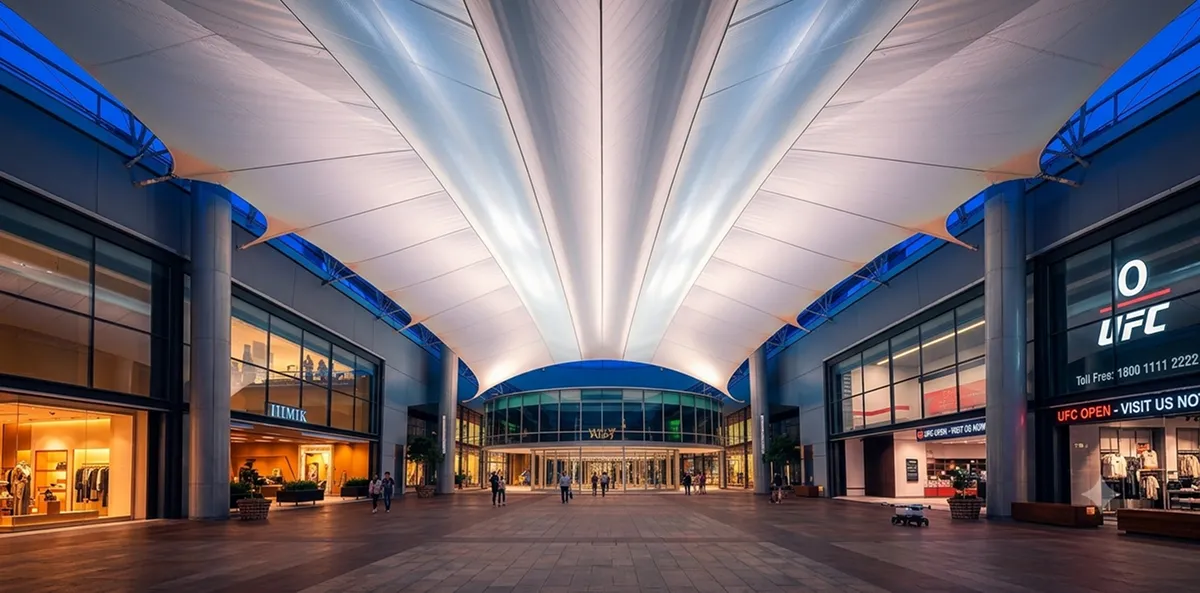
Tensile membranes can be shaped into curves, peaks, valleys and other forms that create visually distinctive structures.
Conventional roofs typically follow more traditional architectural forms.
For projects where visual appearance is important, tensile roofing can provide opportunities to create a modern and recognizable architectural identity.
2. Structural Weight
Tensile membranes are generally lightweight compared with many conventional roofing systems.
This can make tensile structures suitable for applications where minimizing structural weight is an important consideration.
However, lightweight does not mean that engineering can be ignored. A tensile structure still requires proper structural design, connections, foundations and load considerations.
3. Natural Light and Outdoor Experience
Depending on the membrane selected, tensile roofing can allow varying levels of light transmission.
This can help create bright and visually appealing covered spaces.
For example, tensile structures used for walkways, atriums and recreational areas can provide shade while maintaining an open outdoor feeling.
Conventional roofing generally provides a more solid enclosure, which can be preferable when complete coverage and insulation are priorities.
4. Installation and Construction Approach
Tensile structures and conventional roofs follow different construction approaches.
A tensile project generally involves:
- 1. Site assessment
- 2. Conceptual design
- 3. Structural engineering
- 4. Material selection
- 5. Fabrication
- 6. Transportation
- 7. Installation
- 8. Final inspection
The exact process depends on project size and complexity.
Conventional roofing follows different construction methods based on the selected roofing material.
Professional project planning is important for either option.
5. Cost Considerations
Cost should not be evaluated only by comparing material prices.
A complete project budget can include design, engineering, materials, fabrication, foundations, transportation, installation and maintenance.
Tensile structures may provide cost-effective solutions for certain applications, especially large covered outdoor spaces, but the final cost depends on the project’s size, design complexity, membrane material and structural requirements.
The best approach is to obtain a project-specific quotation rather than relying on general price comparisons.
6. Maintenance Requirements
Every roofing system requires appropriate maintenance.
For tensile structures, maintenance can include checking membrane surfaces, structural connections, drainage arrangements and supporting components.
Conventional roofing systems also require periodic inspection for issues such as corrosion, leakage, cracking, damaged sheets or other material-specific problems.
Regular inspection can help identify potential issues before they become major problems.
Tensile Roofing vs Conventional Roofing: Quick Comparison
| Feature | Tensile Roofing | Conventional Roofing |
| Design flexibility | High | Moderate to high |
| Structural weight | Generally lightweight | Varies by system |
| Architectural appearance | Modern and distinctive | Traditional to modern |
| Light transmission | Material dependent | Usually limited |
| Outdoor applications | Highly suitable | Application dependent |
| Custom shapes | Excellent | More limited |
Enclosed building applications Application dependent Widely suitable
When Should You Choose Tensile Roofing?
Tensile roofing can be a strong option when you need:
- A modern architectural appearance
- A covered outdoor area
- Flexible structural forms
- A lightweight roofing solution
- Parking shade
- Walkway protection
- Entrance canopy
- Poolside coverage
- Large-span architectural structures
When Is Conventional Roofing More Suitable?
Conventional roofing may be preferable when the project requires:
- Fully enclosed spaces
- High insulation requirements
- Traditional building construction
- Heavy structural systems
- Solid roof construction
- Building-specific roofing assemblies
The final choice should be based on the building’s functional requirements rather than appearance alone.
Need help deciding between tensile roofing and conventional roofing for your project? Contact Unique Fabricone for professional consultation, customized design, engineering, fabrication and installation solutions.
Why Work With a Professional Tensile Structure Company?
Tensile structures require specialized knowledge because their performance depends on the interaction between membrane tension, structural framework, connections and foundations.
An experienced company can assist with design, material selection, fabrication and installation.
For complex projects, professional structural engineering is particularly important.
Frequently Asked Questions
Neither is universally better. The right option depends on the project’s application, design, environmental conditions, budget and functional requirements.
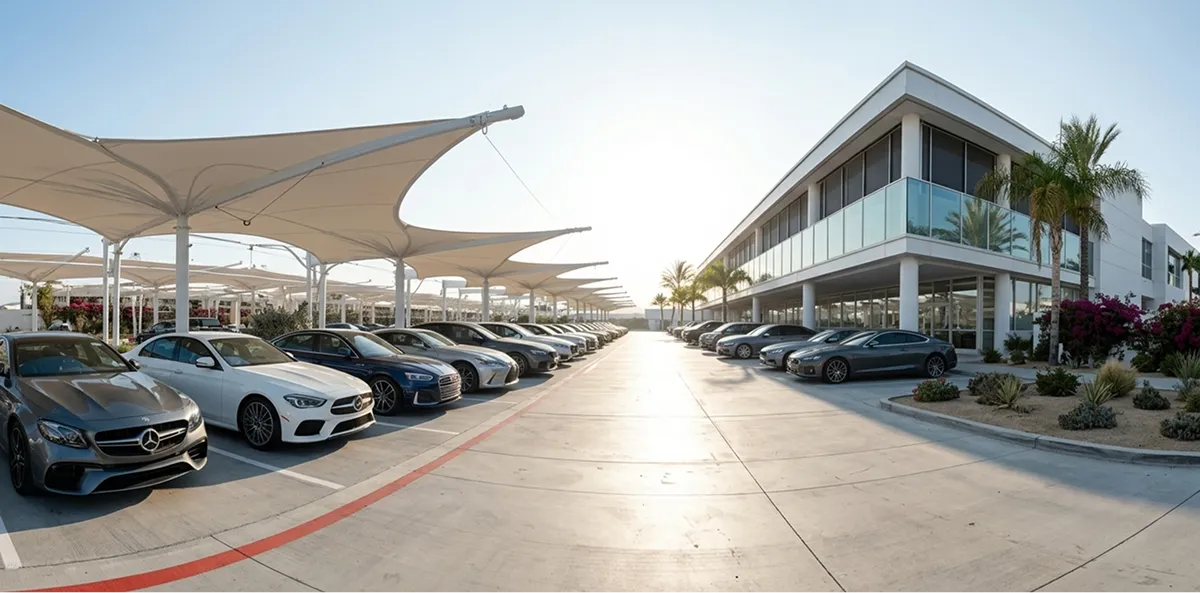
Yes. Tensile structures are commonly considered for car parking shades because they can provide covered areas with flexible and modern designs.
Durability depends on the membrane material, structural design, installation quality, environmental conditions and maintenance.
Yes. Tensile structures can be customized according to site dimensions, architectural requirements and intended application.
A major advantage is the combination of lightweight construction, architectural flexibility and the ability to create distinctive covered spaces.
Conclusion
Tensile roofing can be an excellent choice for modern outdoor structures, while conventional roofing remains suitable for many enclosed and traditional building applications.Choosing tensile or conventional roofing depends on application, design, performance, budget and site requirements, not simply initial construction cost alone.
Related Posts
Selecting the right membrane material is one of the most important decisions when planning a…
