

Commercial parking areas need more than just a place to park vehicles. They should provide…
- 6 minute read
- General
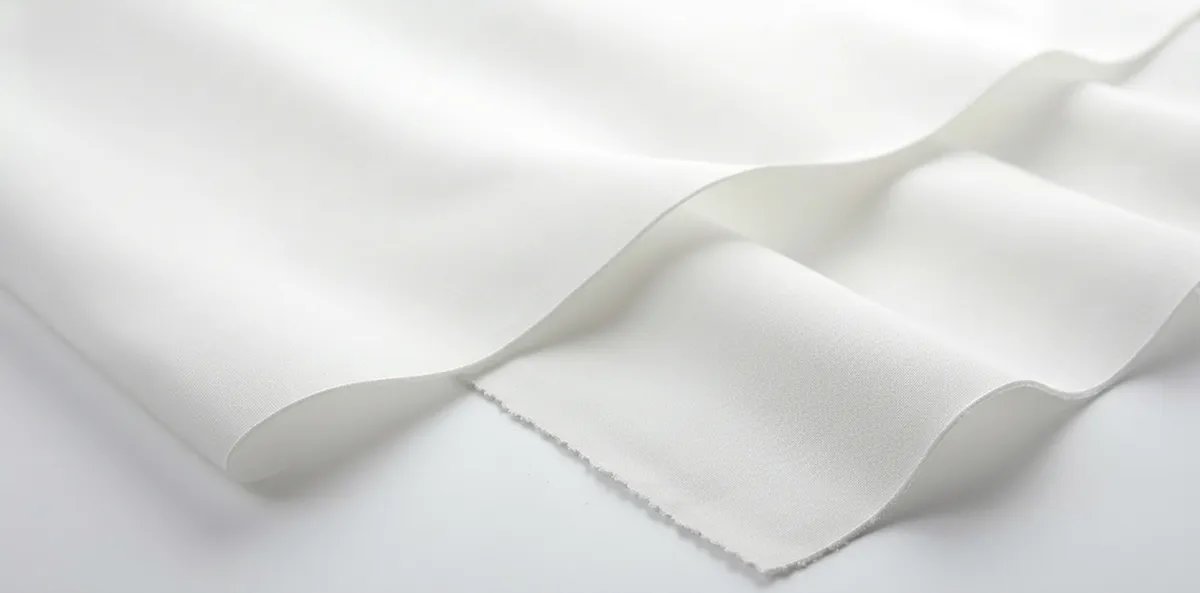
Selecting the right membrane material is one of the most important decisions when planning a tensile structure. The membrane affects the structure’s appearance, performance, maintenance requirements and suitability for different applications.
Among the commonly discussed membrane options are PTFE, PVC and ETFE. Each material has different characteristics and can be suitable for different architectural and structural requirements.
Understanding the differences between PTFE vs PVC vs ETFE can help property owners, architects, contractors and project managers make a more informed decision.
What Is a Tensile Membrane?
A tensile membrane is a flexible material used as part of an engineered structural system. Unlike conventional roofing, the membrane works together with supporting structures and tension to create the required form and stability.
Tensile membranes can be used for:
- Car parking shades
- Walkway covers
- Entrance canopies
- Stadium structures
- Swimming pool covers
- Atriums
- Commercial buildings
- Outdoor recreational spaces
- Industrial applications
The appropriate membrane should be selected according to the project’s design, environmental conditions, required appearance and performance expectations.
PTFE Membrane
PTFE, or polytetrafluoroethylene, is a high-performance fluoropolymer commonly used in architectural membrane applications.
PTFE-coated fiberglass fabrics are known for their durability and resistance to environmental exposure. They are often considered for large-scale architectural projects where long-term performance and a premium appearance are important.
Benefits of PTFE
Some potential advantages include:
- High durability
- Good resistance to environmental exposure
- Suitable for architectural applications
- Long service potential when properly designed and maintained
- Attractive appearance
PTFE membranes are often considered for demanding architectural projects where material performance is a major priority.
PVC Membrane
PVC, or polyvinyl chloride, is another widely used material for tensile structures.
PVC-coated polyester fabrics are available in various grades and finishes, making them suitable for numerous applications.
PVC membrane systems are commonly considered for projects where design flexibility, practicality and cost need to be balanced.
Benefits of PVC
Depending on the selected product and specification, PVC membranes can offer:
- Flexible design options
- Wide range of colours and finishes
- Practical performance
- Suitability for various tensile structures
- Cost-effective options for many projects
PVC is commonly used for structures such as parking shades, canopies, walkways and other outdoor applications.
ETFE Membrane
ETFE stands for ethylene tetrafluoroethylene. It is a lightweight fluoropolymer that has gained attention in modern architectural applications.
ETFE can be used in transparent or translucent systems, allowing architects to create distinctive building envelopes and covered spaces.
Benefits of ETFE
ETFE systems can provide:
- High light transmission
- Lightweight construction possibilities
- Modern architectural appearance
- Flexible design opportunities
- Suitability for specialized architectural projects
ETFE is often associated with visually striking architectural structures where transparency and natural light are important design considerations.
PTFE vs PVC vs ETFE: Which Is Better?
There is no universal answer because the best material depends on the project’s requirements.
| Factor | PTFE | PVC | ETFE |
| Appearance | Premium architectural | Versatile | Highly modern/transparent |
| Typical use | Large architectural structures | Canopies and parking | Specialized architectural applications |
| Transparency | Generally limited | Available in selected finishes | Excellent |
| Design flexibility | High | High | High |
| Cost consideration | Generally higher | Often more economical | Project dependent |
| Application | Long-term architectural projects | General tensile applications | Advanced architectural designs |
The table provides a general comparison. Actual performance depends on the specific membrane product, coating, fabrication method, structural design and project environment.
Factors to Consider Before Choosing a Membrane
1. Project Application
Determine whether the structure is intended for a car park, walkway, entrance, stadium, pool or architectural feature.
2. Environmental Conditions
Consider factors such as sunlight, rainfall, wind, temperature and other local conditions.
3. Appearance
Architectural requirements can influence the choice. Some projects may prioritize a traditional fabric appearance, while others may require high transparency.
4. Budget
Material costs vary. The initial price should be considered alongside expected maintenance and project requirements.
5. Maintenance
Different materials and systems have different maintenance requirements. The manufacturer’s recommendations should always be followed.
Planning a tensile structure and unsure which membrane is right for your project? Connect with Unique Fabricone can help you evaluate your requirements and develop a customized tensile structure solution.
Why Professional Design Matters
Choosing a membrane material is only one part of creating a successful tensile structure.
The membrane must work together with the structural framework, connection details, foundations and drainage system. Professional engineering helps ensure that the complete system is designed for its intended application.
A qualified tensile structure manufacturer can help evaluate the site and recommend an appropriate material based on project requirements.
Frequently Asked Questions
PTFE-coated fabrics are generally positioned as high-performance architectural membrane systems, while PVC-coated polyester is widely used for practical tensile applications.
Not necessarily. ETFE and PTFE serve different architectural purposes. ETFE is particularly useful when transparency and light transmission are important.
PVC membranes are commonly considered for parking shades, but the appropriate material depends on the project’s design and environmental requirements.
PTFE-coated fiberglass systems are commonly used in large architectural tensile applications where durability and long-term performance are important considerations.
Consider the application’s structural requirements, environmental conditions, appearance, budget, maintenance requirements and expected service life.
Conclusion
Choosing between PTFE, PVC and ETFE requires careful evaluation of design, performance, environmental conditions, budget and the intended application. Understanding PTFE, PVC and ETFE helps project owners select suitable tensile membranes based on performance, appearance, application and long-term requirements.
Related Posts
When planning a new roof or covered outdoor space, property owners have several options. Conventional…
